Apple Podcasts
 Podbean
 Spotify
 Amazon Music
 iHeartRadio
 Player.fm
 Podchaser
Simple Fixes for a Better Saxophone Tone
Is your sax sound not quite where you want it to be? Whether you’re squeaking, struggling with a thin tone, or just not happy with the sound you’re getting—this one’s for you.
In this episode of the Sax School Online Podcast, I’m joined by fellow Tutors Fred Vigdor and Joel Purnell as we dig into one of the biggest frustrations adult learners face: tone issues. We’re breaking down squeaks, reed struggles, mouthpiece problems, and the surprisingly simple tweaks that can help you play saxophone with confidence.
Getting to the Root of the Problem
When your tone isn’t quite right, it’s tempting to blame the saxophone—or rush out and buy new gear. But most of the time, it comes down to small fundamentals that are easy to fix once you know what to look for.
Tone frustrations are something we see all the time with our Sax School members. From squeaks to dull sound, these issues can zap your confidence. But once we help members dial in their setup, everything changes.
As Joel put it:
“Spend one extra minute making sure your reed’s on perfect, and you’ll have a much better day than you would if you didn’t.”
So let’s look at the three biggest tone killers—and how to fix them.

1. Reed Position: The Overlooked Culprit
If your sax is squeaking or feels unpredictable, there’s a high chance your reed is to blame.
Joel calls this the “Eclipse Effect”: hold the mouthpiece up to a dark background and slowly raise the reed until it perfectly eclipses the tip. That’s your sweet spot. If the reed is off-center or too high or low, you’ll get leaks, whistles, or poor response.
And here’s the thing:
“I’ve moved the reed by a millimeter before and completely changed the sound,” Joel shared. “Students are shocked it makes such a difference.”
It’s worth taking the time to get this right. Not just once, but every time you put the reed on.
Want to learn more about choosing reeds? Read our Best Beginner Saxophone Reed Guide.
2. Mouthpiece Placement: The “Too Much or Too Little” Trap
The second common issue is how much mouthpiece you’re taking in.
Too much, and your sound gets wild and unbalanced. Too little, and it feels like you’re playing with a sock in the bell. You need that Goldilocks zone: just enough mouthpiece to let the reed vibrate freely while keeping control.
Fred shared a great trick:
“If you can’t hit a palm key high D, you’re probably taking in too much mouthpiece.”
Try adjusting and test with that top D. It’s a quick way to find your sweet spot.
Pro tip: Practice in front of a mirror to build consistent mouthpiece placement into your muscle memory.
3. Gear Choices That Set You Up for Success
Let’s talk mouthpieces. If you’re just getting started—or returning to the sax after years away—there’s no need to buy expensive gear.
Fred recommends the Yamaha 4C or the Selmer S80 as ideal beginner mouthpieces. They’re reliable, affordable, and won’t hold you back as you build your skills.
We get it: shiny new mouthpieces are tempting. But as Fred explained:
“You want as few variables as possible when you’re learning the basics.”
More often than not, it’s about your embouchure and air support—not the gear. Focus on fundamentals, get a good tone concept in your mind by listening to great players, and let your setup support your progress—not distract from it.
📚 Related: Saxophone Embouchure – 5 Mistakes
Final Thoughts: Confidence Comes From Consistency
Improving your sax tone isn’t about magic fixes. It’s about consistency.
✅ Set your reed carefully
✅ Find your best mouthpiece position
✅ Use gear that makes things easier, not harder
If you do those three things, you’ll be amazed at how much better your saxophone will respond—and how much more confident you’ll feel.
Want help getting all this dialed in? We’re here for you inside Sax School Online. You can even submit a video for feedback and get personal tips from tutors like Fred, Joel, and myself.
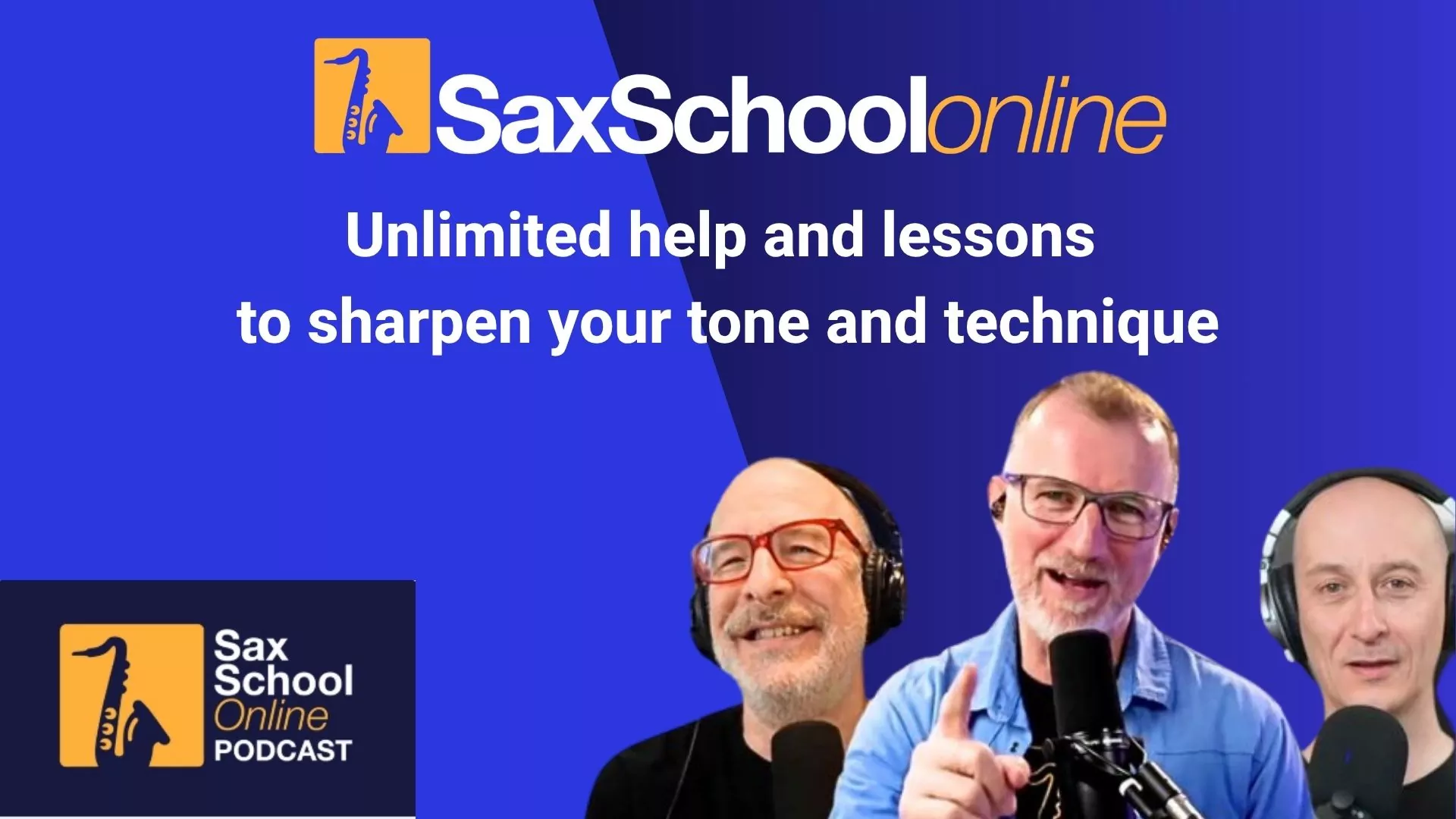
About the Tutors:
Fred Vigdor toured worldwide with the iconic Average White Band for over 20 years and has performed, toured and recorded with artists including Michael MacDonald and Dave Weckl.
Joel Purnell is regarded as one of the top jazz educators and performers in the UK and has taught for over 20 years at the prestigious Leeds Conservatoire.
Nigel McGill spend 25 years performing and leading bands all over the world before building Sax School Online into the largest online community of saxophone learners. His lessons and videos have reached millions of players worldwide.