Apple Podcasts
 Podbean
 Spotify
 Amazon Music
 iHeartRadio
 Player.fm
 Podchaser
With its soulful tones and expressive range, the saxophone has defined countless jazz tunes and styles.
We’re discover some of the best jazz sax players across alto, tenor, baritone, and soprano saxophones. Each of these legends brought something unique to the world of jazz, inspiring generations of musicians. By Brooke Jessop for Sax School Online.
John Coltrane (Tenor, Soprano)
When it comes to saxophone legends, few names resonate like John Coltrane. Known for his boundary-pushing technique and intense, spiritual playing, Coltrane revolutionized jazz with his innovative work on the tenor and soprano sax.


His landmark albums like Giant Steps and A Love Supreme showcase his dazzling speed, intricate improvisation, and unmatched emotional depth. Coltrane’s “sheets of sound” technique—a rapid-fire, cascading style—is studied by saxophonists around the world. He continually pushed the limits of jazz, exploring modal, free jazz, and avant-garde sounds. His legacy is one of constant innovation and profound spirituality. Coltrane is undoubtedly among the best jazz sax players ever.
Charlie Parker (Alto)
Charlie Parker, also known as “Bird,” was the father of bebop and a master of the alto saxophone. His complex improvisations and lightning-fast runs set a new standard for jazz soloing. Parker’s influence is enormous. He not only inspired generations of sax players but also pushed jazz as a genre to new heights.
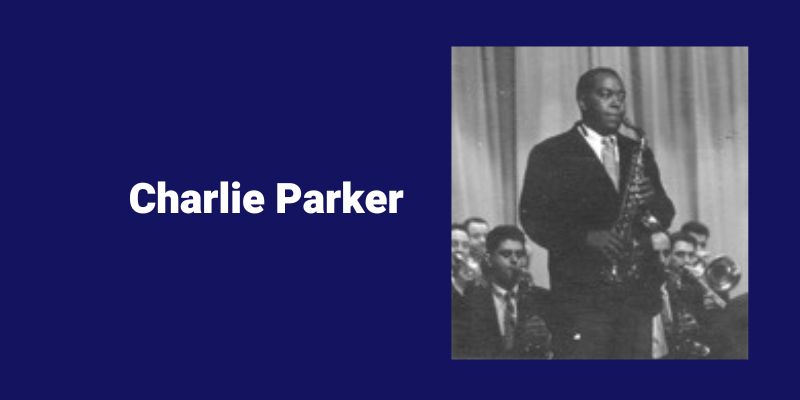

Classic tunes like “Ornithology” and “Yardbird Suite” highlight his mastery of rhythm, melody, and harmony. Parker’s skill, combined with his ability to communicate raw emotion, earned him a permanent place in jazz history as one of the best jazz sax players.
Sonny Rollins (Tenor)
Sonny Rollins is a powerhouse of the tenor sax. He is known for his innovative improvisational style and his immense catalogue of recordings. Rollins’ iconic album, Saxophone Colossus, remains essential listening for jazz fans.
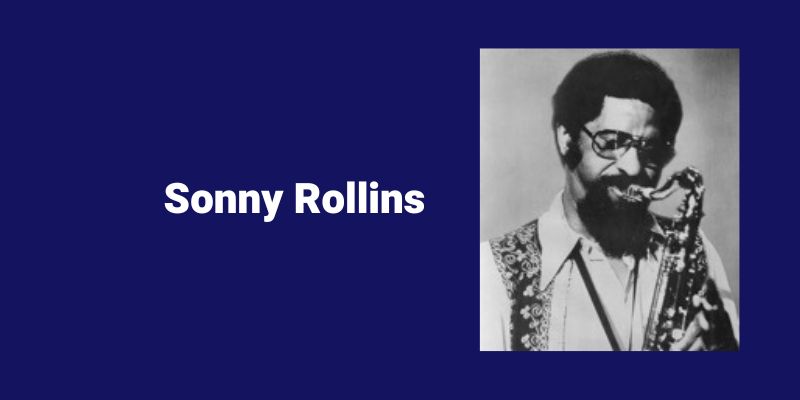

Known for his “thematic improvisation,” where he builds upon a single idea throughout a solo, Rollins’ playing is complex, and expressive. From classics like “St. Thomas” to his unique live performances, Rollins’ contributions have cemented his place as one of jazz’s true greats.
Discover more about Sonny Rollins and get a free Rollins transcription here.
Cannonball Adderley (Tenor)
Cannonball Adderley’s warm, soulful sound on the alto sax made him a prominent figure in both bebop and hard bop . His work on Miles Davis’s Kind of Blue showcases his smooth, bluesy style, contrasting beautifully with Coltrane’s intensity.
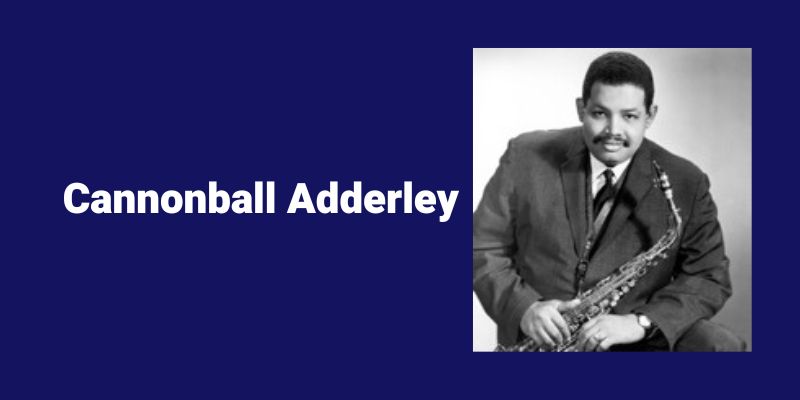

As a bandleader, Adderley produced hits like “Mercy, Mercy, Mercy” and “This Here,” which brought a gospel-inspired soulfulness to jazz. His powerful phrasing and bright tone made his sound instantly recognizable, leaving an indelible mark on jazz.
Stan Getz (Tenor)
Synonymous with “cool jazz”, Stan Getz is best known for his velvety, lyrical tone. He brought bossa nova into the jazz world, most famously with the hit “The Girl from Ipanema.” Getz’s playing is as inviting as it is sophisticated with a sound that’s mellow and smooth.
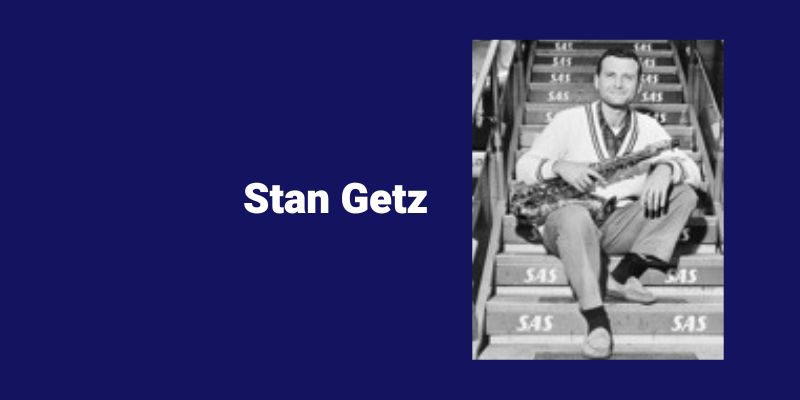

His albums Getz/ Gilberto and Focus remain beloved by fans of jazz and bossa nova alike, and his melodic style continues to inspire saxophonists worldwide.
Gerry Mulligan (Baritone)
Gerry Mulligan is widely considered the greatest baritone saxophonist in jazz history. Known for his smooth, lyrical playing, Mulligan helped redefine the role of the baritone sax, especially within the cool jazz genre. His collaborations with trumpeter Chet Baker in the 1950s showcased the baritone sax’s ability to play lead with agility and grace.

Listen to albums such as The Gerry Mulligan Quartet to hear this in action. Mulligan’s warm tone and inventive improvisation expanded the instrument’s possibilities and influenced generations of baritone sax players.
Ornette Coleman (Alto)
Ornette Coleman was a pioneering figure in free jazz. He is known for his bold, boundary-pushing work on the alto saxophone. Coleman’s album The Shape of Jazz to Come shocked the jazz world, breaking traditional rules of harmony and form. His approach to improvisation was unorthodox, prioritizing emotion over technical structure.

While controversial at first, Coleman’s fearless style paved the way for countless free jazz and avant-garde musicians. This makes him one of the genre’s most influential figures and one of the bets jazz sax players or all time.
Paul Desmond (Alto)
Paul Desmond is most famous for his work with the Dave Brubeck Quartet. Here, his smooth alto sax tone and relaxed phrasing provided the perfect counterpoint to Brubeck’s adventurous compositions. Desmond’s playing on the hit “Take Five” (written by Desmond himself) remains iconic, capturing the cool jazz style with grace and restraint.

Known for his wit and lyrical style, Desmond’s sound was airy and elegant, giving him a distinctive voice in jazz.
Dexter Gordon (Tenor)
Dexter Gordon was one of the first truly great tenor saxophonists to emerge in bebop. Standing at 6’6” with a charismatic stage presence, Gordon’s playing was equally larger-than-life. His rich, full tone and laid-back style influenced later tenor players like Sonny Rollins and John Coltrane.

With albums like Go and his memorable performance in the film Round Midnight, Gordon’s contributions to jazz are celebrated for their power, swing, and bluesy feel.
Sydney Bechet (Soprano)
Sidney Bechet is a jazz pioneer and the first prominent soprano saxophonist, known for his virtuoso technique and passionate playing. A New Orleans native, Bechet brought a bluesy, swinging style to the soprano sax, leaving a major mark on early jazz. His recording of “Petite Fleur” is among his most famous works and remains a staple of classic jazz.

Bechet’s influence on jazz, particularly in the realms of Dixieland and traditional jazz, is monumental.
Michael Brecker (Tenor)
Michael Brecker was a tenor saxophonist known for his technical prowess and versatility across jazz, rock, and fusion. A founding member of the Brecker Brothers and an in-demand session musician, Brecker’s playing is marked by intensity and precision.

His influence extends beyond jazz, with contributions to albums by artists like Joni Mitchell and Steely Dan. Brecker’s blend of traditional jazz with modern styles makes him a true saxophone legend.
Wayne Shorter (Tenor, Soprano)
Wayne Shorter is one of jazz’s most celebrated composers and saxophonists. Shorter contributing his distinctive sound to groups like Art Blakey’s Jazz Messengers, Miles Davis’s Second Great Quintet, and Weather Report.

Shorter’s playing is as thoughtful as it is expressive, and his compositions, like “Footprints” and “Nefertiti,” are jazz standards. Known for his mysterious, almost philosophical approach, Shorter remains one of the best jazz sax players of all time.
Lester Young (Tenor)
Lester Young, affectionately known as “Prez,” brought a light, smooth tone to the tenor saxophone. His style contrasted sharply with the big, brassy sounds of his era.

A leading figure in swing, Young played with relaxed phrasing and laid-back style. His collaborations with Billie Holiday and Count Basie are jazz classics, and his influence on cool jazz and bop players is immense.
Final Thoughts
These jazz legends have each brought their unique sound and innovations to the saxophone. From the wild explorations of free jazz to the soulful sound of cool jazz, their contributions continue to shape jazz saxophone playing and inspire new generations. Each player on this list has left a profound mark, making jazz saxophone a timeless art.
Next Steps
Discover how to inject legendary style into your own sax playing inside Sax School PRO. Our Explore Jazz series digs deep into improvising, as well as going under the hood of jazz standards you need to know. Get a 14 day free trial here.